





AI Security Tool Finds Thousands of Serious Software Flaws in Just One Month
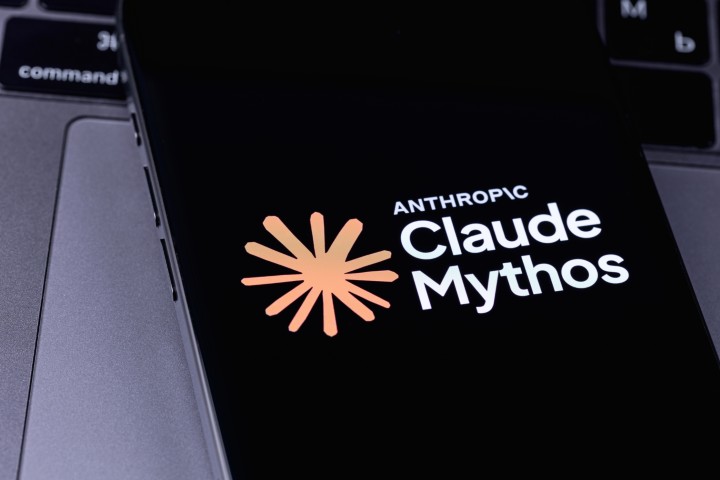
Artificial intelligence company Anthropic says its advanced AI system, called Claude Mythos, has discovered more than 10,000 serious security flaws in widely used software programs around the world. The findings were made through a cybersecurity project called Project Glasswing, which was created to help protect important digital systems before hackers can exploit weaknesses.
The AI tool was given to a small group of trusted cybersecurity organizations and companies. According to Anthropic, many of these partners found hundreds of serious software vulnerabilities within weeks of using the system. Some companies even reported that the AI helped them discover security problems much faster than traditional human testing methods.
Researchers say the AI can scan huge amounts of computer code and identify hidden weaknesses that might normally take security experts months or even years to find. In some cases, the flaws had reportedly existed for decades without being detected. This has raised both excitement and concern in the cybersecurity industry.
While the technology could help improve online safety, experts also warn that tools this powerful could become dangerous if they fall into the wrong hands. If cybercriminals gained access to similar AI systems, they could potentially use them to search for vulnerabilities in critical systems much more quickly than before.
Security professionals say the biggest challenge now is not just finding software flaws, but fixing them fast enough. As AI speeds up the discovery of vulnerabilities, companies and developers may struggle to patch systems before attackers can take advantage of the weaknesses.
Experts believe AI will continue to transform cybersecurity in the coming years. While these tools could make the internet safer by helping defenders identify problems earlier, they also increase pressure on organizations to strengthen their security practices and respond to threats more quickly than ever before.