




Major Technology Outages and Cyberattacks Raise Concerns About Online Security
A series of major technology disruptions in November 2026 affected several well-known companies and organizations, including Microsoft, Apple, the Federal Aviation Administration (FAA), and other businesses. These incidents caused widespread interruptions for millions of users, disrupting email services, airline operations, online payments, and other essential technology services. While many of the outages were attributed to technical problems and software updates, a separate cyberattack targeting Optimizely raised additional concerns about cybersecurity and the risks associated with third-party technology providers. Although the incidents happened within a short period of time, there is currently no evidence suggesting they were connected or part of a coordinated cyberattack.
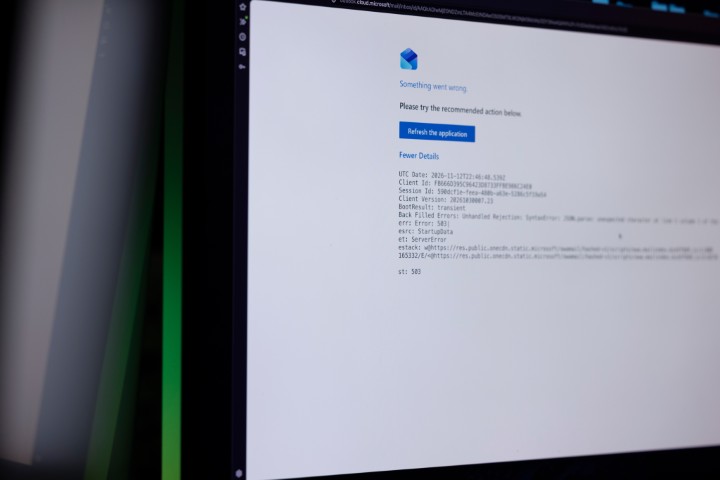
On November 12, Microsoft experienced a widespread outage that affected Microsoft 365 services, including Outlook, Teams, Copilot, and other applications. The company attributed the disruption to technical issues involving software bugs, increased network traffic, and reduced server capacity. Microsoft stated that the outage was not caused by malicious activity or a cyberattack. Services were gradually restored over the following day. Shortly afterward, on November 13, the Federal Aviation Administration issued a nationwide ground stop for departing flights in the United States after technical problems disrupted its network. The incident resulted in thousands of flight cancellations and delays that continued over several days. The FAA also reported that there was no evidence of a cyberattack. United Airlines experienced another temporary technology outage several days later, which the company attributed to a technical glitch rather than malicious activity.
Apple also experienced service disruptions on November 17, affecting several of its platforms, including the App Store, Apple Music, Apple Pay, iCloud, and AppleCare. The company explained that an internal software update contributed to the problems and worked to restore normal operations. Around the same time, thousands of Gmail users also reported service interruptions, although Google did not identify a widespread internal issue responsible for those reports. These incidents demonstrate how software updates, network changes, and technical maintenance can unexpectedly affect services used by millions of people.
Unlike the other disruptions, the incident involving Optimizely was confirmed to be the result of a cyberattack. On November 16, hackers exploited a vulnerability in the company’s technology to inject malicious JavaScript code into certain customer projects. Optimizely provides digital tools and services used by numerous businesses, meaning the attack potentially affected organizations that relied on its technology. Malicious code was identified on several websites, including CNN, Zoom, HSBC, and Equifax. The code was designed to target older iPhones, steal credit card information, and interfere with cryptocurrency transactions. The company reported that it had fixed the vulnerability and removed the malicious code from affected projects. Individuals who visited affected websites and made purchases during the incident were encouraged to monitor their financial statements for unauthorized charges and verify that any cryptocurrency transactions reached the correct digital wallets.
These incidents highlight two major cybersecurity concerns: unexpected technical failures and malicious attacks targeting trusted technology providers. Large organizations regularly update their software, replace hardware, improve network infrastructure, and perform system maintenance to keep their services secure and operational. However, these changes can sometimes introduce new problems, particularly when multiple systems depend on one another. At the same time, cybercriminals continue to search for vulnerabilities in widely used software and technology providers because compromising one service can potentially give them access to information belonging to multiple organizations and their customers.
There are several steps individuals can take to protect themselves during major technology outages and cyber incidents. Users should check official company websites and verified social media accounts for updates rather than relying on unfamiliar posts or messages. They should also be cautious of phishing emails, fake customer support messages, and suspicious links claiming to restore access to unavailable services. Scammers frequently take advantage of confusion during outages by pretending to represent banks, airlines, and technology companies. Individuals should never share passwords, payment information, or multifactor authentication codes through unexpected communications. Keeping devices and applications updated is also important because software updates frequently include security fixes that protect against known vulnerabilities. Using strong, unique passwords and enabling multifactor authentication can provide additional protection for personal accounts.
Overall, the recent outages and cyberattack demonstrate how dependent individuals and organizations have become on technology and how disruptive these incidents can be when essential systems stop working. Even major companies and government agencies are vulnerable to technical failures and cybersecurity threats. Being prepared, staying informed, regularly backing up important files, and practicing safe online habits can help reduce the impact of future disruptions. While technology outages are sometimes unavoidable, taking preventative security measures can make it much more difficult for cybercriminals to take advantage of these situations.